+42% task time reduction in workout tracking app
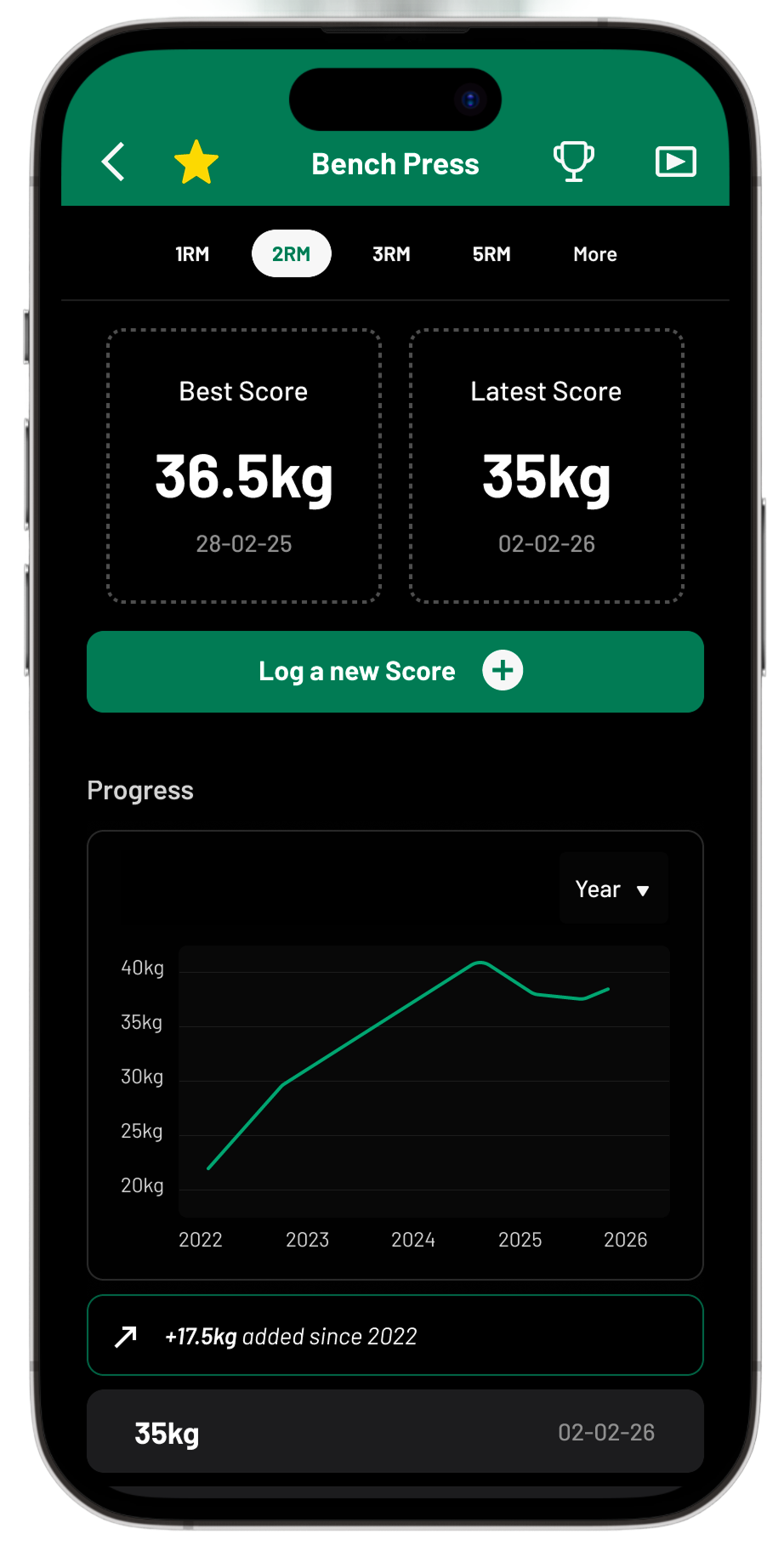
After
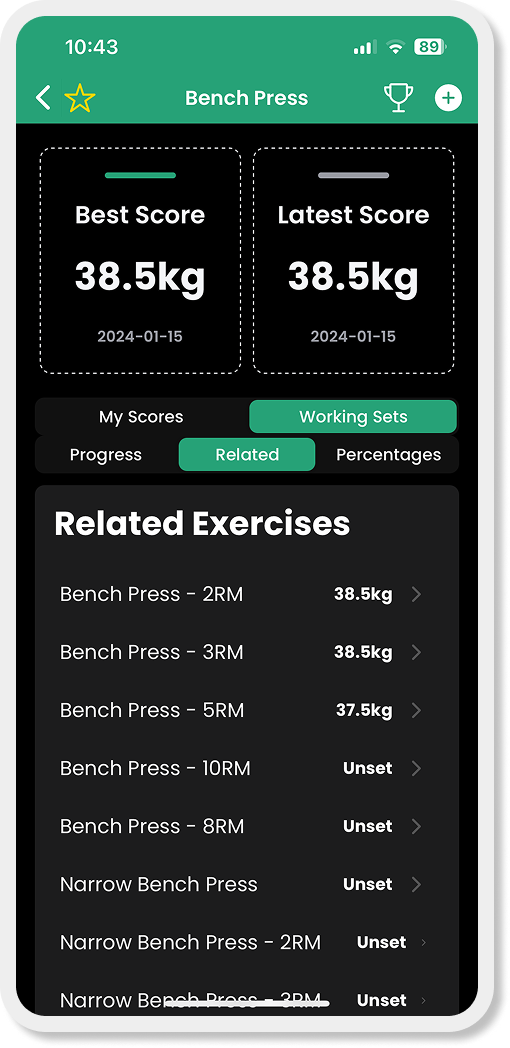
Before
PROBLEM
Hidden navigation impacted discoverability of exercises and rep variations within
ROLE
Personal Project - UX Designer
SCOPE
Information architecture, user flow mapping, competitor analysis, usability testing, UI redesign, accessibility
OUTCOME
42% improvement in time to navigate to rep breakdown of an exercise,
PROBLEM FRAMING
Introducing Boxmate
Boxmate is a CrossFit exercise app for booking classes, logging and tracking exercises and connecting with your local community.
Repeated observations during training sessions showed that users struggled to locate rep specific variations, (e.g. 2 rep max / 2RM) within exercise pages.
Hypothesis
If rep variations were consolidated directly within the exercise landing page, discoverability would improve, reducing reliance on workaround behaviours (e.g. search) which maintaining clarity of performance data.
This project explores the hypothesis through a concept redesign informed by heuristic reviews, competitor analysis and usability testing of new designs.
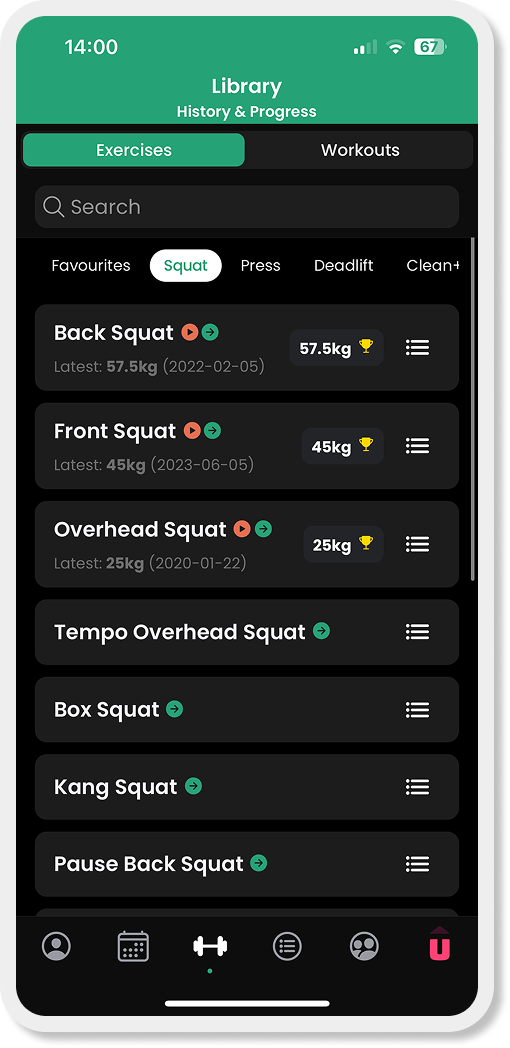
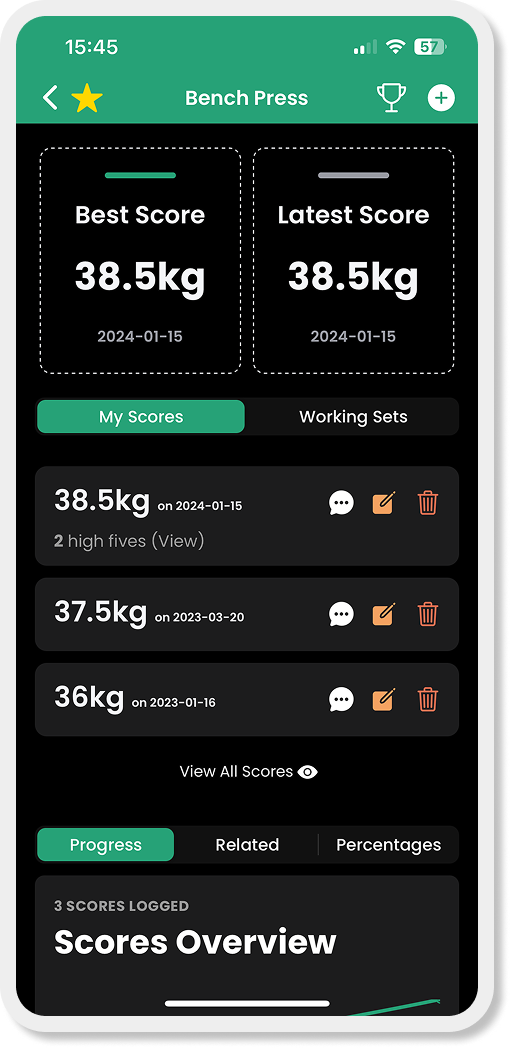
Excerpt: Snapshots from the current Boxmate app, showing exercise list and landing page
INFORMATION ARCHITECTURE
The problem wasn’t logging - it was accessing the correct page
A local information architecture audit revealed that rep variations were fragmented across separate screens, rather than treated as contextual variations. This created unnecessary navigation steps, particularly in a time-sensitive training environment.
To investigate further, I mapped key user flows to identify the friction across the intended path, and possible workarounds.
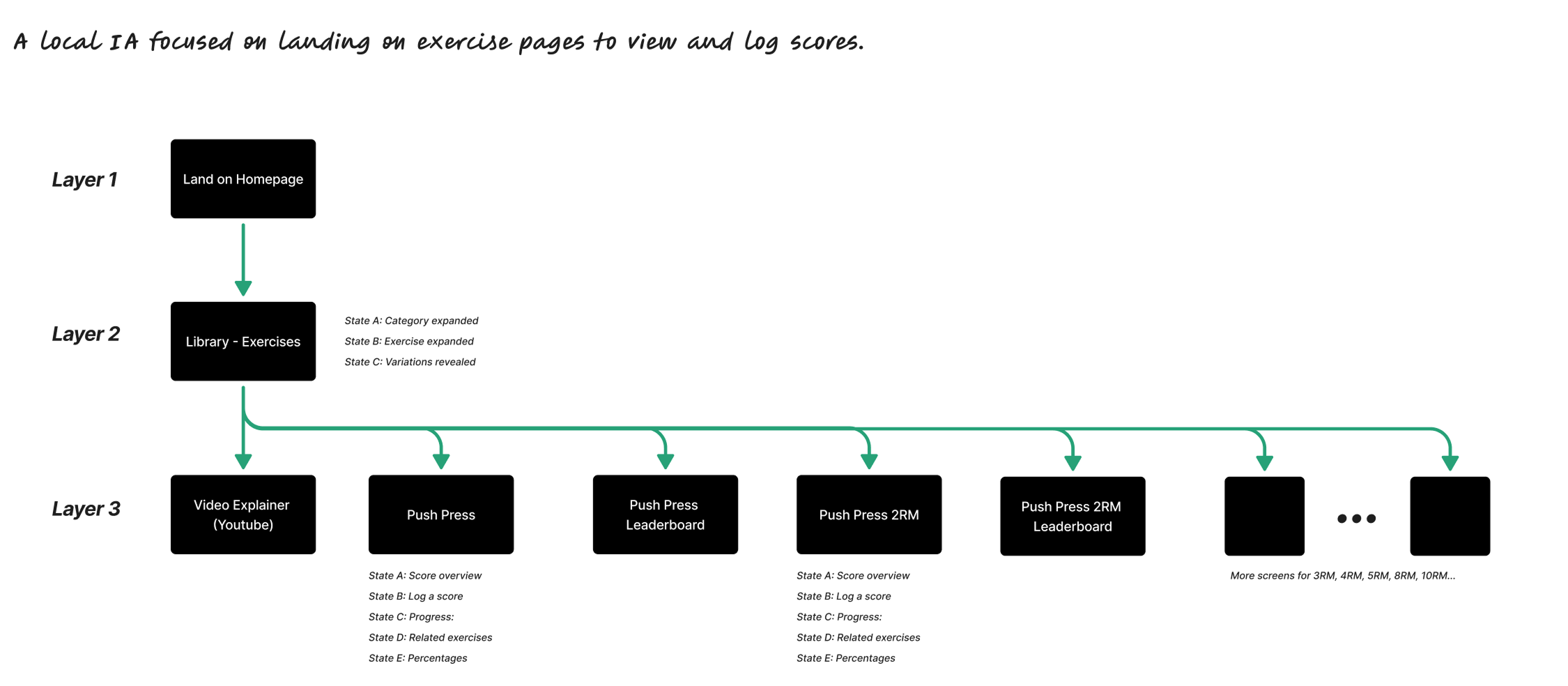
Excerpt: Local information architecture showing navigation to exercise pages and rep-specific score states
INTERACTION ANALYSIS
Structural fragmentation created breakdowns in discoverability and hierarchy
Mapping the 2RM logging journey exposed Boxmate’s structural issues in how actions and rep variations were surfaced, making it difficult to predict where scores lives.
Discoverability relied on hidden or secondary controls, increasing navigation depth
Primary actions competed with supporting content, diluting hierarchy
Sections within screens lacked a clear single purpose, mixing discovery and explanation videos
Rep variations lacked a clear mental model, fragmenting content and weakening decision clarity
Competitor analysis of 3 apps validated that clarity emerges through consistent affordance patterns and clear intent through reduced choice at the point of action. These insights informed the design principles moving forward.
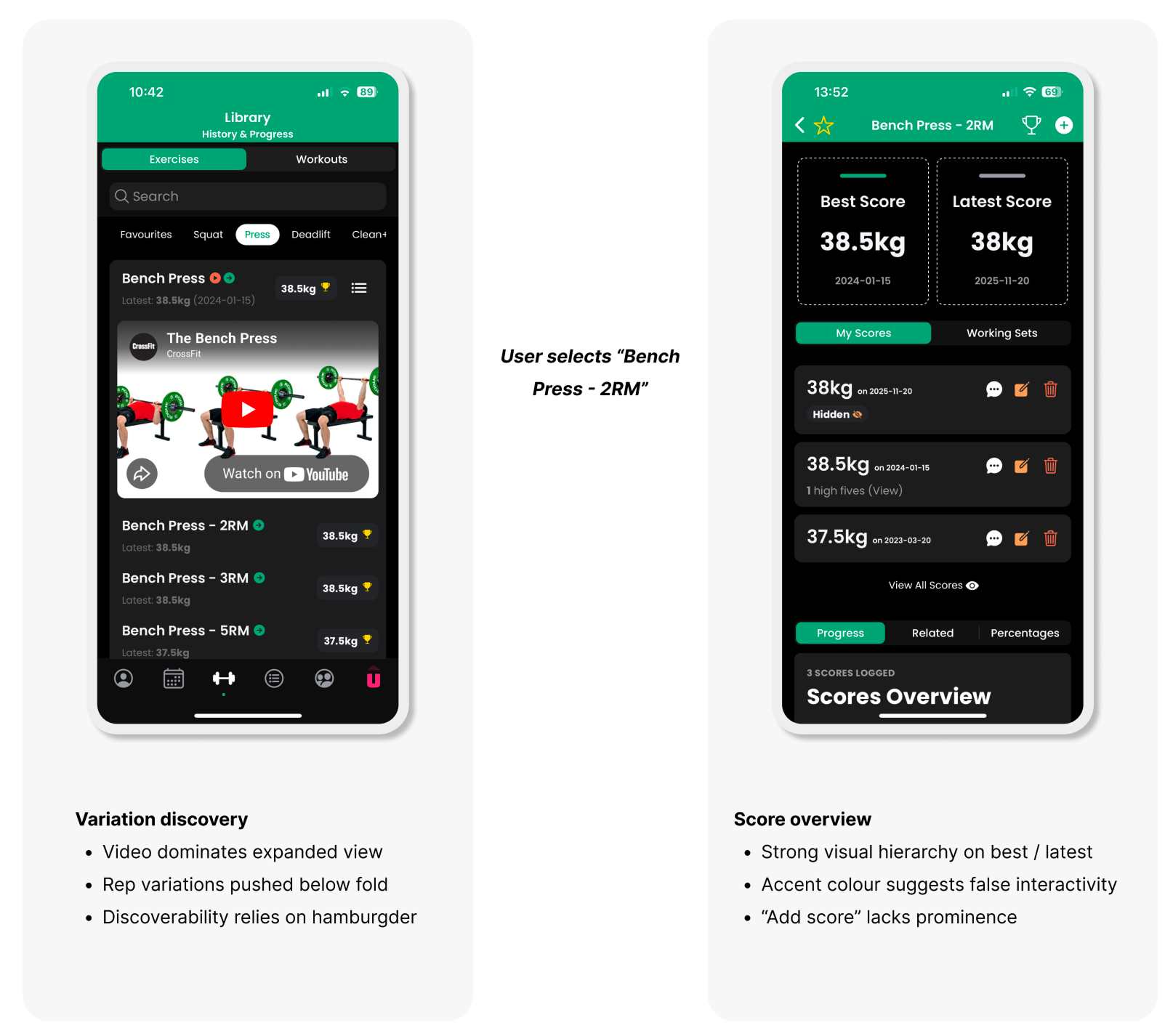
Excerpts: Examples of heuristic analysis across the 2RM logging journey
EARLY EXPLORATION
Early ideas shaped a state-based rep variation approach
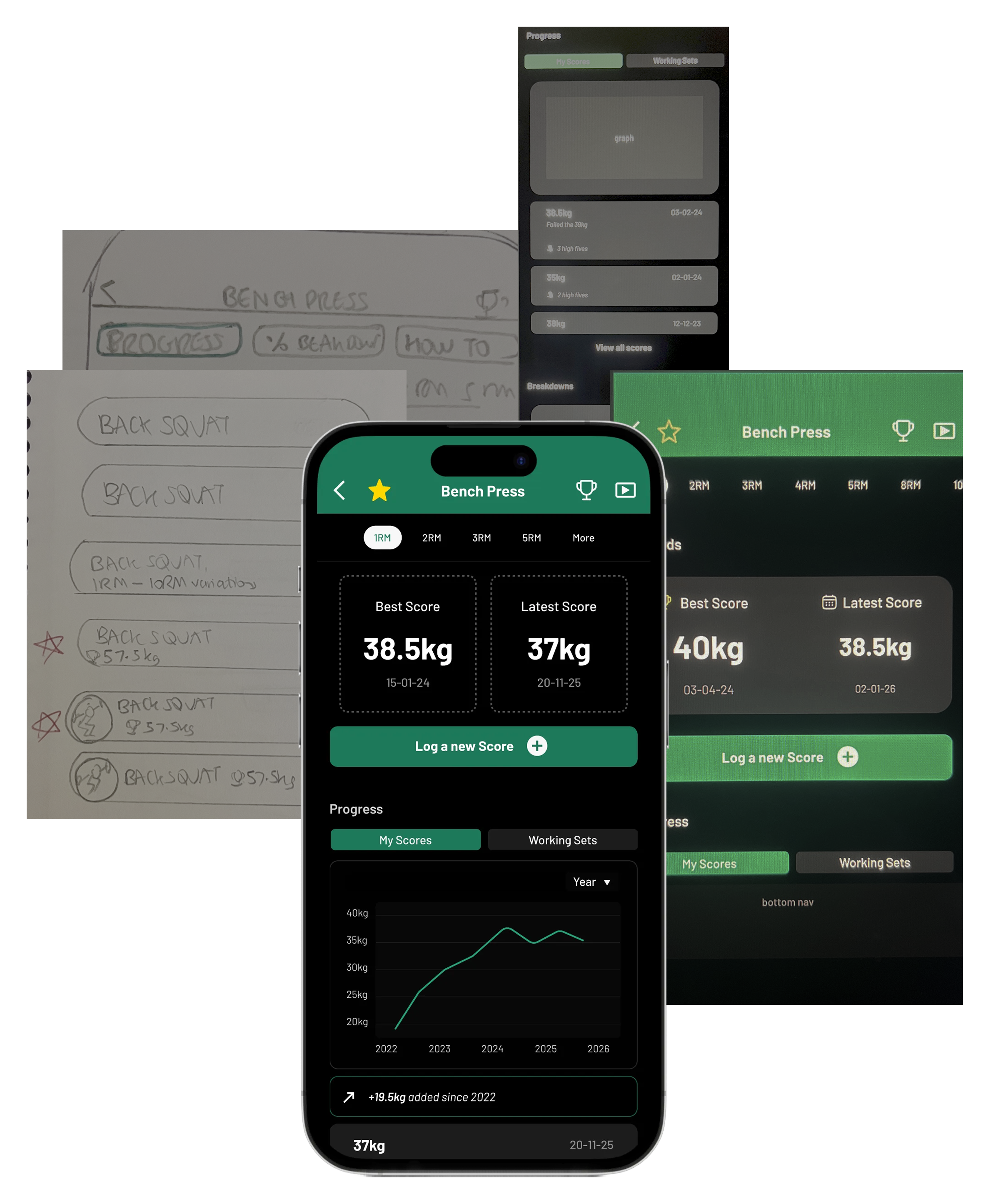
Excerpts: From low to high fidelity as options were explored and trade-offs made
Before committing to a single direction, I explored multiple structural approaches across key surfaces, including:
Refining the discovery page - reducing content density and strengthening affordance
Testing structural patterns on exercise pages - exploring tab-based navigation vs. state-based
Reordering content hierarchy - evaluating whether performance data, rep variations or logging should anchor the page
Reconsidering primary actions - assessing the prominence and placement of “Log score” within different user contexts.
I prioritised reducing navigation depth and aligning rep variations within a single page, accepting a slight increase in on-page complexity in favour of structural clarity.
To validate early assumptions, I conducted lightweight guerilla usability tests before progressing to higher fidelity iterations.
USABILITY TESTING
Testing revealed consolidation improved discoverability
Usability testing of 8 frequent gym members provided validation of the structural hypothesis, alongside areas for refinement. Five users completed tasks on the redesigned flow; three on the existing flow.
Key insights included:
Exercise pages were faster to locate from discovery. Reduced content density supported direct selection; some users paused interpreting groupings
Rep variations are significantly clearer. ~17 seconds to ~10 seconds task reduction.
Logging behaviour varies by engagement level. Moderate and frequent users viewed logging as a primary action on the exercise page; casual users as reference
Minor accessibility friction was observed. Some hesitation around tap targets and toggle affordance indicated the need for refinement
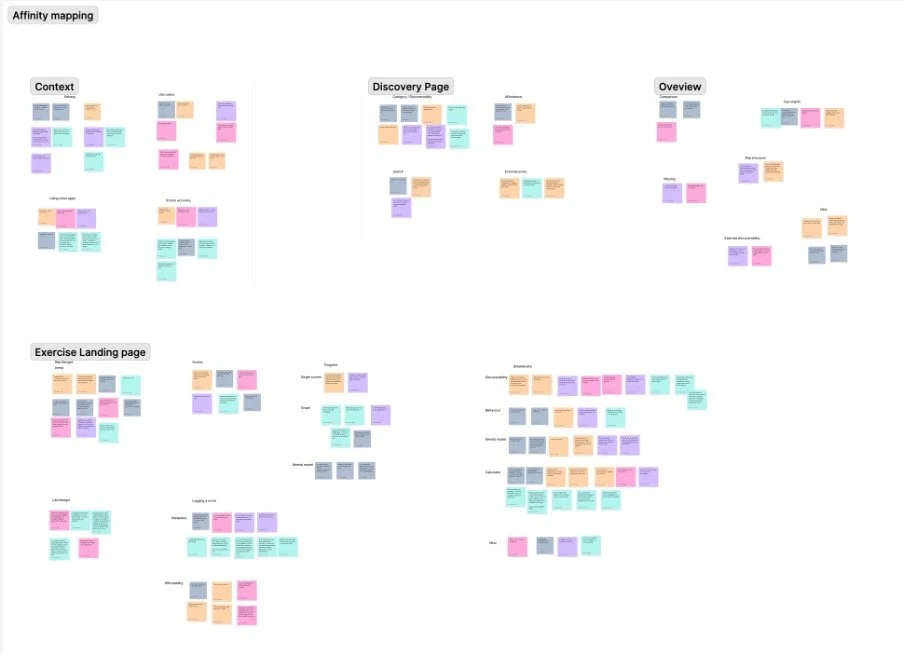
Excerpt: Affinity mapping surfaced key insights across the 8 usability tests.
FINAL OUTCOME
Validated structure, refined for clarity and focus
Usability testing informed targeted refinements to interaction and hierarchy, further enabling the improved structure and navigation.
Tap targets were adjusted to meet WCAG accessibility guidelines
Visual hierarchy was strengthened across score summaries and breakdowns
Non-essential controls were removed to reinforce a single-purpose performance view
Live demo - explore the Bench Press 2RM flow
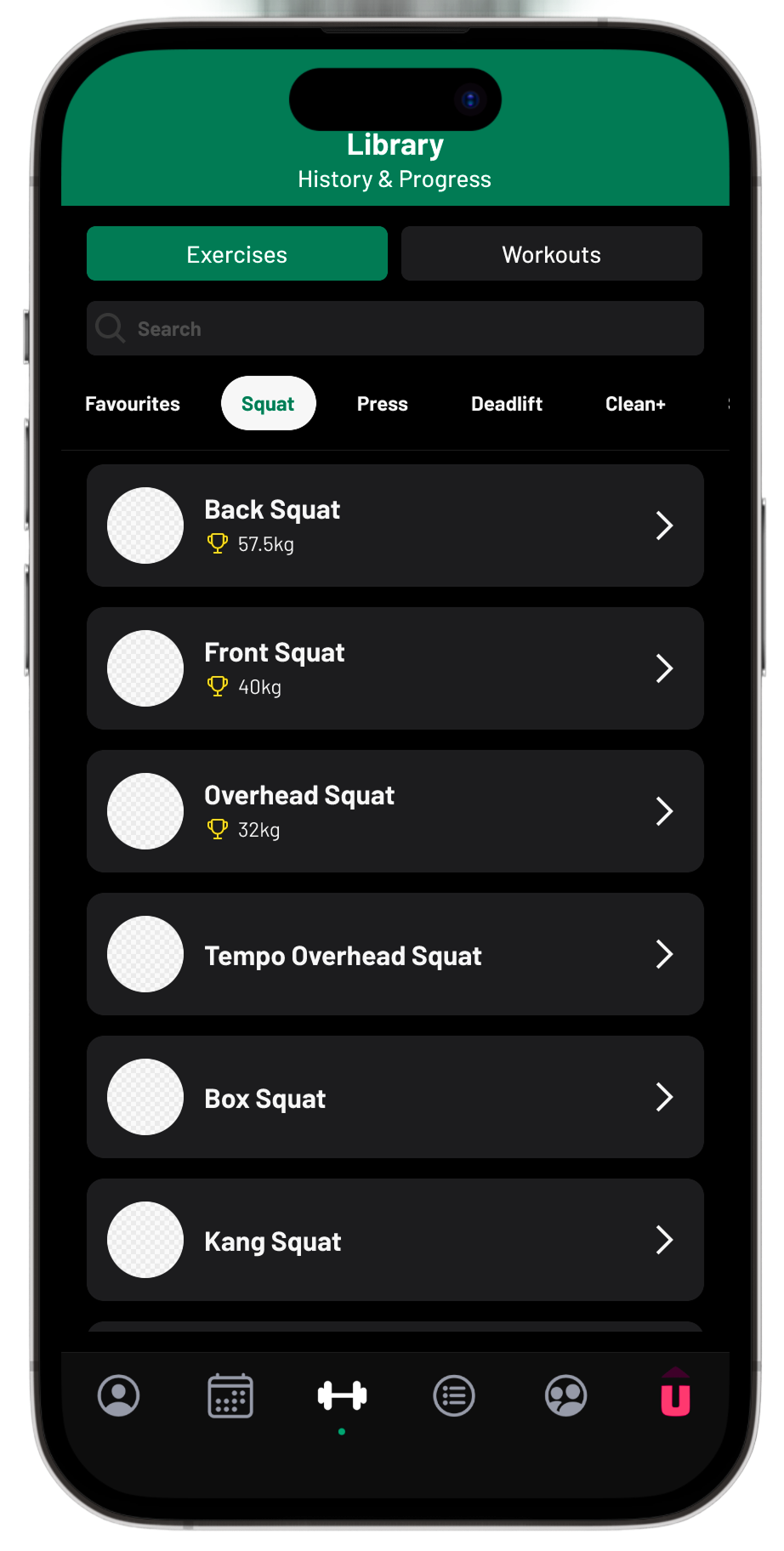
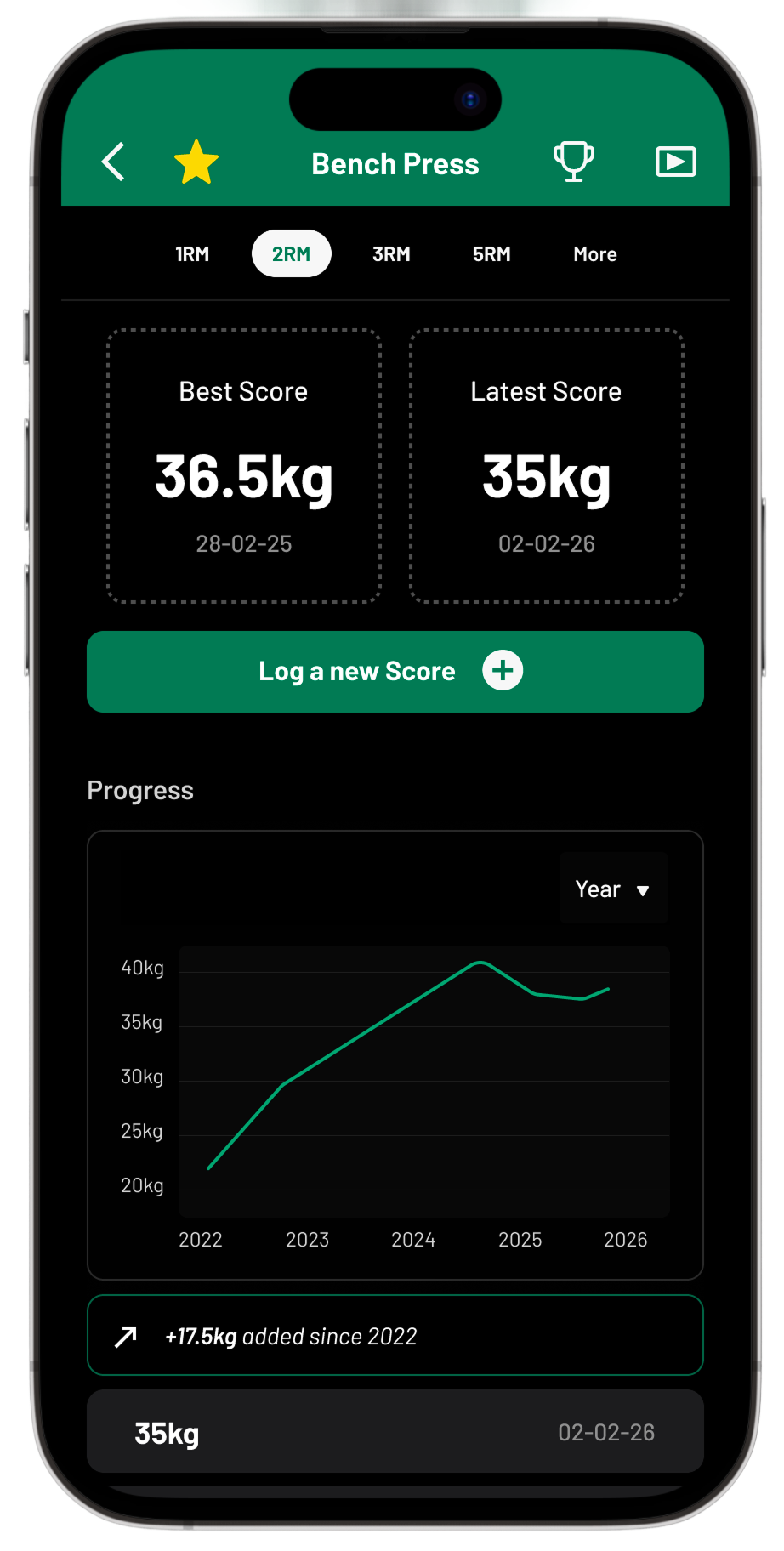
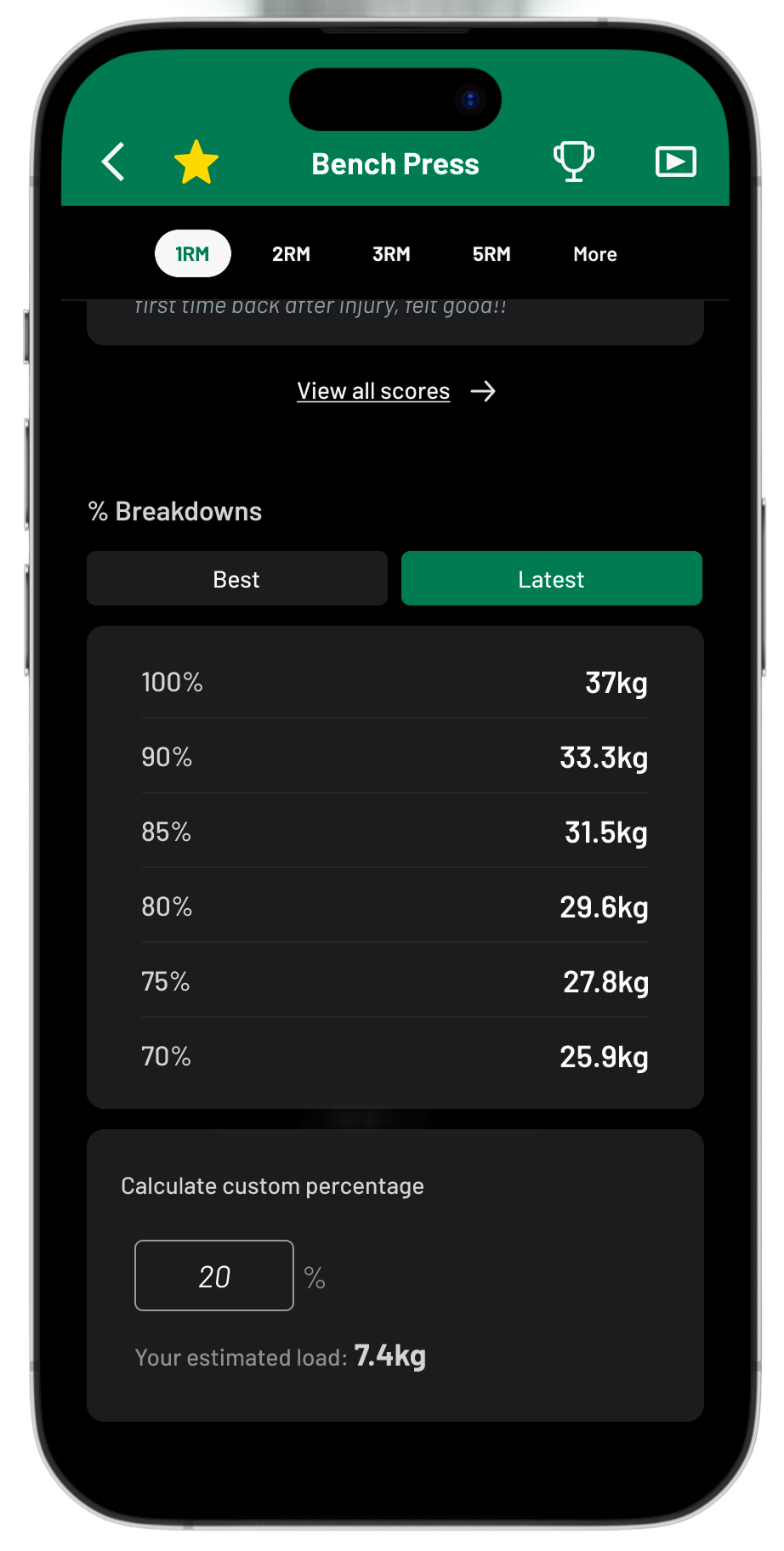
Excerpts: Final UI showed improved exercise discovery, clearer rep variation switching, and a simplified breakdown of scores
OUTCOMES AND REFLECTION
Reduced task time by 42% through structural changes
Usability testing showed the state-based structure reduced task time from 17 seconds to 10 seconds average - a 42% improvement. Users located rep breakdowns directly, and many commented on the ease and clarity compared to the existing design.
Further scope identified from the tests could include:
Card sorting to better align exercise category with mental models
Exploration of a dedicated working sets view for high-frequency users.